Psihonautice cotidiene

Saptamana PSI

Saptamana PSI 875 425 gabi

Tema de azi (25.03.2021) la Săptămâna Psi: Cum facilităm schimbarea obiceiurilor nesănătoase.

Invitat: Gabriel Cicu, psihiatru și psihoterapeut

Evenimentul poate fi urmărit LIVE pe canalele de Facebook Cărturești, Revista Psychologies și Editura Trei

LGBTQ+ Ayahuasca and Compassionate Inquiry Retreat

LGBTQ+ Ayahuasca and Compassionate Inquiry Retreat 150 150 gabi

This special LGBTQ+ retreat will provide a safe, welcoming, and compassionate environment where participants can feel comfortable being who they are, and within that, experience deep healing and individual transformation that reaches into the roots of trauma through the powerful synthesis of ancient Amazon healing traditions and Compassionate Inquiry methodology.

This retreat offers an immersion in traditional Shipibo plant-spirit healing, complemented with yoga classes and Gabor Mate’s Compassionate Inquiry, and provides highly effective integration guidance to bring profound and lasting transformation into your life. Alongside the ikaros and the plethora of plant doctors present in each ceremony, the Shipibo healers bring decades of training and wisdom that is passed through many generations, granting ayahuasca deeper access into the system so that energetic blockages that disconnect you from your true self can be cleared.

The design of our 12-day program is truly the culmination of all of our work facilitating healing and integration with ayahuasca with over 10,000 guests over the past 13 years, and we are thrilled to offer it now in a retreat especially for LGBTQ+ people. Through clearing the past and bringing energetic cleansing to your body, mind, and soul, a transformational process initiates, or further deepens, a long-term journey of self-reflection, self-discovery, and spiritual awakening.

Who Is This Retreat For?

This unique program has been designed for all those on LGBTQ+ spectrum, at any stage in their journey with sexuality. It’s truly a joy for us to welcome the LGBTQ+ community to the Temple of the Way of Light for a traditional Shipibo ayahuasca retreat in the heart of the Amazon Rainforest.

Queer sexuality is increasingly accepted in some countries in North America, Europe, and elsewhere. Even if you are fortunate enough to live in a country of tolerance, you may still struggle with challenging feelings, experiences, and memories of traumatic events related to your gender or sexuality. This retreat offers you the opportunity to explore that part of you, and to discover, heal, and let go of that which is in the way of you living a life of fulfillment and authenticity. This retreat is specifically designed to have you be who you came here to be, and give you tools to live that life for yourself and for the world.

LGBTQ+ Ayahuasca and Compassionate Inquiry Retreat

Please note: This is not an activist retreat. While political and academic discussions on LGBTQ+ topics are important and benefit all of us, this is not the purpose of this retreat. Our intention will be to look within ourselves and connect with our inner experience of all that is happening in each moment. We will promote an inward dive – a healthy introspection where we can remember our essential wholeness, and an opportunity to do our own personal work, cultivating inner strength and authenticity.

de vorba cu Virgil Stanescu

de vorba cu Virgil Stanescu 1080 1080 gabi

De vorba cu Virgil Stanescu despre sport, sanatate mintala, performanta, adictii si multe altele: https://anchor.fm/sported-talks/episodes/SportED-Talks-cu-Dr–Gabriel-Cicu-ep39g7

Multumesc Virgil, a fost o discutie frumoasa, naturala si de o mare valoare.

GC


despre relatii si incredere

despre relatii si incredere 150 150 gabi

Esenta oricarei relatii, indiferent de natura ei, este increderea. In functie de nivelul de incredere din relatie putem observa in ce fel de relatie de gasim.

Samanii, budistii dar si alti intelepti vorbesc despre trei niveluri de incredere:

  1. increderea ca nu imi vrea raul
  2. increderea ca imi vrea binele
  3. increderea in adevar

In primul nivel regasim (sau ar trebui) majoritatea relatiilor noastre, de vecinatate, de colegialitate, chiar relatiile mai putin sau mai mult manifeste cu oamenii de pe strada, cu doamna de la caserie de la alimentara, cu cei de la masa vecina din restaurant sau vecinii de cearceaf de pe plaja samd.

In al doilea nivel regasim (sau ar trebui) relatiile cu educatorii, mentorii, profesorii, unchii si matusile, bunicii, anumite relatii de prietenie, sa le spun mai superficiale (precum cele conjuncturale din tabara sau expeditii), cu sistemul de sanatate, cu Statul in general etc.

Al treilea, si cel mai profund nivel de incredere, se regaseste in relatiile cu maestrii, ar trebui in relatia cu parintii, in prieteniile adevarate si, cel mai important, in relatia cu noi insine!

GC

Terapie psihedelica

Terapie psihedelica 2048 1365 gabi

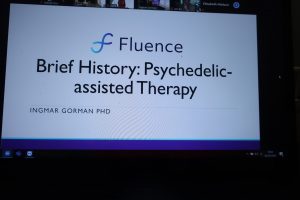
In cadrul ICPR 2020 am particpat la un curs de Terapie Psihedelica……. Terapia psihedelica prinde contur ca abordare de sine statatoare in marea familie a psihoterapiei. Desi cu o istorie foarte veche, din anii 1950, utilizarea substantelor psihedelice impreuna cu psihoterapia revine in ultimii 20 de ani in atentia cercetatorilor si practicienilor. De urmarit! :))

GC


Psychedelics for Clinicians 101 & 102

3-Day Online Workshop for Clinicians, 6 – 8 September 2020


TRAINERS:

ELIZABETH NIELSON; New York University & Fluence

Dr. Elizabeth Nielson is a psychologist with a focus on developing psychedelic medicines as empirically supported treatments for PTSD, substance use problems, and mood disorders. Dr. Nielson is a therapist on FDA approved clinical trials of psilocybin-assisted treatment of alcohol use disorder, MDMA-assisted treatment PTSD, and psilocybin-assisted treatment of treatment resistant depression.


INGMAR GORMAN; MAPS & Fluence

Dr. Ingmar Gorman is a psychologist who specializes in assisting populations who have a relationship with psychedelics. He is the site co-principal investigator and therapist on a Phase 3 clinical trial studying MDMA-assisted psychotherapy for post-traumatic stress disorder. After completing his NIH postdoctoral fellowship at New York University, Dr. Gorman stepped down as director of the Psychedelic Education and Continuing Care Program to focus his efforts on Fluence and the training of future therapists.


Description

This workshop will be held online in an interactive live webinar format. Presenters will give live talks, engage in Q&A by chat and open conversation, provide live demonstrations and discussions, invite participation in meditations and other self-reflection exercises, and engage participants in breakout groups and role plays. Two lead trainers and two assisting trainers will be present for additional support.

This 3-day training offered by psychologists Ingmar Gorman and Elizabeth Nielson is designed for clinicians and healthcare providers who want to learn more about current psychedelic research and clinical practice, including how to work with patients who have a history of psychedelic use or have expressed an interest in using psychedelics. This interactive training includes role plays, demonstrations, case examples, and experiential learning opportunities.

Psychedelics 101: Your patients are curious and so are you: What is all this about psychedelics being used for treatment of addiction and trauma? This session gives an overview of psychedelic drugs, their history, and current research with MDMA and Psilocybin-assisted therapy. This program includes an overview of recent and current clinical trials, outcomes, legal status, and what it all means for the future of addiction and trauma treatment.

Learning Objectives:

  • Discuss the historical justifications for psychedelic clinical research
  • Describe key theoretical approaches to psychedelic-assisted therapy
  • Discuss the state of psychedelic clinical research, rescheduling efforts, and how psychedelic-assisted psychotherapy works with clients
  • Compare psychedelic integration psychotherapy to integration in peer and shamanic settings

Psychedelics 102: This day introduces clinical skills for psychedelic harm reduction and integration work in the clinical setting. This program focuses on translating research findings into clinical practice including working with patients who are considering using psychedelics, actually using psychedelics, or have used them. Includes discussion of assessment and integration techniques, resources, and legal and ethical issues.

Learning Objectives:

  • Assess clients for key “red flags” that indicate someone should seek specialized psychiatric care after a psychedelic experience
  • Utilize principles of psychedelic-assisted therapy in a basic/initial assessment of clients who report psychedelic use
  • List contraindications and discuss high risk cases of individuals who are contemplating psychedelic use
  • Describe the role of the therapist in an individual’s integration psychotherapy process


ICPR 2020

ICPR 2020 1534 860 gabi

Mandru sa particip :)).


G.


despre Ascultare

despre Ascultare 150 150 gabi

“Cand asculti pe cineva intr-un mod complet, atent, asculti nu numai vorbele, ci si emotia transmisa odata cu acestea”

Jiddu Krishnamurti

despre INTEGRITATE 2

despre INTEGRITATE 2 150 150 gabi

Cea mai frumoasa si profunda descriere a INTEGRITATII. Acum in limba romana cu maxime multumiri si felicitari pentru intelegerea textului original, Irinei D.

GC


Joseph Wesley Mathews, 1977, Maliwada Human Development Training School:

Vom vizita sfera Umanității Profunde numită ,,Integritate“.  Uneori, sensul termenului ,,integritate“ se reduce la un fel de verticalitate și stabilitate morală, în sensul în care spunem ,,Are prea multă integritate pentru a lua vreodată mită“.

Însă integritatea profundă este mult dincolo de asta. Uneori, pentru a o distinge de sensul obișnuit, o numim ,,integritate secundară“. Această  integritate nu este constrânsă de morale limitate, oricât de bine intenționate ar fi ele. Integritatea ca trăire profundă este unicitatea forței directoare a unei vieți angajate, care ordonează fiecare dimensiune a sinelui către acest angajament/înspre angajament. Astfel, sinele este de fapt modelat de către sine și focalizat asupra angajamentului. S-ar putea spune că o creație de sine curajoasă are loc în cadrul integrității, fără de care suntem pur și simplu creația diferitelor forțe sociale care ne influențează.

Astfel, baza integrității este o decizie existențială — o decizie interioară care îți alege și îți determină  destinul și pe care ți se ordonează întreaga viață. Aceasta decizie este alegerea ultimă a fiecărei persoane și fiecare persoană face această alegere, conștient sau inconștient. A o face conștient reprezintă gradul cel mai înalt de responsabilitate a ființei umane. Este libertatea întruchipată. Așa arată adevărata libertate.

Când omul își exercită astfel libertatea, realizează că pentru a-și rămâne fidel sieși se va afla mereu într-o poziție unică din care să privească valorile societății sale. Nu mai este constrâns de părerile și de codurile semenilor săi ci le reevaluează pe baza impactului lor asupra deciziei sale existențiale.

Astfel, omul integru este continuu angajat într-o reevaluare socială, într-o mișcare printre valorile societății și o reinterpretare a acestora în concordanță cu forța directoare a vieții sale. Nu primește astfel libertatea de a-și ignora societatea, însă obligația sa transcede conformismul unei vieți supuse codurilor și moravurilor ei. Astfel încât, omul profund integru pare întotdeauna a nu se potrivi până la capăt cu semenii săi însă acțiunile sale sunt mereu potrivite pentru el însuși, chiar și din perspectiva celor care i se opun.

Oricât de ciudat le-ar părea omul profund integru vecinilor săi, el însuși se percepe ca fiind bine ancorat. Cu toate că este clar cu privire la faptul că această lume nu este casa lui, trăiește experiența de a-și fi găsit calea originară. El trăiește o unitate, un sentiment de a-fi-una-cu eternul, nu atât cu valurile și curenții din jurul său ci cu o direcție mai adâncă a istoriei însăși. Prin fluxul legănării dus-întors — atât de evidentă la alții, el trăiește o înrădăcinare inexplicabilă, de parcă și-a coborât rădăcina pivotantă adânc, până în temeliile pământului însuși. Cu toate că-și trăiește viața ca pe o lungă călătorie, chiar ca pe o călătorie nesfârșită către obiectul hotărârii sale, nu se simte niciodată străin în această călătorie. De parcă a mai fost acolo. Integritatea autentică este trăită în primul rând ca acest sentiment de unitate. Kierkegaard a scris cândva o carte despre acest fel de integritate pe care a intitulat-o ,,Puritatea inimi înseamnă a vrea un singur lucru“. Un filosof antic și-a adunat înțelepciunea în jurul acestei integrități cu sfatul ,,Cunoaște-te pe tine însuți și ție însuți să îți fii loial“.


Suport psihologic gratuit pentru cadrele medicale – COVID-19

Suport psihologic gratuit pentru cadrele medicale – COVID-19 150 150 gabi

Dragi medici, asistenți medicali, infirmieri,


În această perioadă vedem cum sunteți supuși unor presiuni enorme aduse de pandemia de COVID-19 și cum vă străduiți în fiecare zi să faceți față solicitărilor profesionale și sociale. Înțelegem că lucrați în condiții de stres major, care de cele mai multe ori generează temeri, dezamăgire, furie și, mai mult decât orice, sentimentul de izolare.


Ne dorim să vă oferim un spațiu în care să puteți vorbi liber despre toate aceste trăiri, în care nevoile voastre să fie prioritare și unde să simțiți că nu sunteți singuri. Oricât de dificil ar părea în ritmul ultimelor zile, este important să vă acordați un timp pentru a veni în contact cu emoțiile, dorințele și gândurile voastre, ca să faceți față cu bine noilor provocări.


Vă punem la dispoziție o echipă de medici psihiatri și psihoterapeuți pentru a vă oferi suport în această situație de criză. Întâlnirile se pot desfășura online sau telefonic și sunt gratuite și confidențiale.

Vezi echipa


Întâlnirile se pot desfășura online sau telefonic și sunt gratuite și confidențiale.
Este suficient să ne contactați la 021 313 25 14 / 0751 643 848.
http://color-mind.ro/suport-cadre-medicale/

tristete

tristete 150 150 gabi

Cred ca cel mai bine in aceste timpuri este sa ne dam voie sa fim tristi…..


G.


pentru vremuri noi

pentru vremuri noi 2048 1365 gabi

We fell asleep in one world and woke up in another.

Suddenly Disney is out of magic, Paris is no longer romantic, New York is no longer standing, and the Chinese wall is no longer a fortress. Hugs and kisses suddenly become weapons and not visiting parents and friends becomes an act of love. Suddenly you realize that power, beauty and money are worthless at getting you the oxygen you were fighting for.

The world continues its life and it is beautiful; it only puts humans in cages.

I think she’s sending us a message: “You are not necessary. The air, earth and sky without you are fine. And even better. When you come back remember that you are my guests…..Not my masters”.


A message from Mother Earth – from a friend of a friend of a friend :)).


G.

Coronavirus & Buddhism

Coronavirus & Buddhism 150 150 gabi

Coronavirus & Buddhism – How to Deal with Fear, Anxiety & Uncertainty?

There is no doubt that we are living unsettling time with the coronavirus pandemic. Its effect is expanding to every area of life, we’re all having to cope with the stress.

Actually, fear, panic, and anxiety seem to spread more rapidly than the virus itself.

Whether you are a Buddhist or not, the teachings of the Buddha offer an encouraging message to all of us during this challenging time – learning to live with awareness, compassion, and wisdom.

Let’s examine how Buddhism can help us deal with fear and anxiety caused by the coronavirus outbreak that is going on around the world right now.

An opportunity to grow

In life, we must overcome obstacles and challenges in order to grow. Sometimes, the circumstances are so huge that they feel insurmountable. It certainly seems to be the case for the coronavirus pandemic.

But remember, this obstacle – like any other – is, unfortunately, part of life, that’s called being alive.

I know it might be difficult to accept right now, but as Buddhists, we should see the coronavirus outbreak as an opportunity to learn and grow spiritually.

The event should encourage us to manage our monkey mind, and transform our fears and anxiety into support for our practice of the Dharma.

The question is, how do we learn and grow from this challenge instead of becoming trapped or consumed by it? How do we transform our minds so that we move forward, instead of being paralyzed by fear and anxiety?

The following Buddhists principles would definitely help us calm our minds, see more clearly, and turn this challenge into an opportunity.

Acceptance & Letting Go

Around two thousand five hundred years ago, the Buddha was teaching his disciples about the ability to transform our mindset and ease the dissatisfaction, suffering and make peace with what lay in front of us.

One of the things that the Buddha taught us was the principle of letting go of attachment. Being attached to circumstances only makes us fearful and anxious.

Instead, by learning to let go of our attachment to the situation, we can transform our mind in a way that we experience inner peace, selflessness, and clarity instead of worry and fear.

With the coronavirus pandemic that is going on, how do we apply the principles of acceptance and letting go into our lives? Simply by realizing that all the amount of fear, worry, and anxiety won’t change what is happening with the coronavirus pandemic – so it’s better to accept it, to make peace with it.

Of course, we have to follow the World Health Organization’s recommendations, but other than that, there is nothing we can do, so we have no choice but to let go and accept.

It might sound simplistic, but accepting reality as it’s is actually very liberating, your mind will come to rest, and you’ll have a much sharper vision of the situation.

Acceptance will remove a huge weight off our shoulders and give us a sense of inner peace and tranquility – something much needed right now.

That being said, acceptance and letting go does not equal recklessness or carelessness. Accepting “what is” doesn’t mean giving up. You do what you can do not be infected and not to infect others.

Follow the WHO recommendation and play it safe for everyone.

Live in the now

It’s very easy for us humans to cling to the past and be worried about the future – our mind is rarely in the present moment. That is especially true now with the coronavirus outbreak that is going on.

As we could see in the last week or so, fear can spread from person to person faster than the virus itself. Of course, we need to be aware of the reality of the moment, but we should avoid projecting into the future because we’ll end up in one uncomfortable territory.

How many people will die? Will my family going to be safe? What will be the pandemic’s impact on the economy? These are questions we tend to ask ourselves in this time of crisis, but it would be much more beneficial for us – and others – to live in the present moment rather than in the future, worried about what might be coming at us.

The future is unknown – nobody knows the outcome of the COVID-19 pandemic, so it’s useless to speculate about it and live in fear.

Overworrying is not the solution and will only make matters worse. Being in the now will be much more beneficial for you, your loved ones, and society as a whole.

Being present and adopting mindfully the safety measures suggested to you by the Government is the best thing you can do right now.

Be mindful

The World Health Organization and Governments around the world are asking us to change our behavior for a while in order to adapt to the pandemic.

In just a matter of weeks, people have become accustomed to measures like adopting “social distancing”, working from home, avoiding public places like stores, bars, restaurants, and movie theaters.

All these measures have a profound effect on us and force us to rethink our day to day behaviors and activities – here comes mindfulness.

Being mindful of our moment to moment behavior and habits can help us avoid getting and transmitting the COVID-19 virus.

Mindfulness makes us not only more present and more aware of our potentially harmful or dangerous behavior, but of course, of our healthy habits and actions as well.

How can mindfulness keep you safe during the coronavirus outbreak?

– Being mindful makes you wash your hands regularly.
– Being mindful makes you avoid touching your face (eyes, nose, and mouth) with unwashed hands.
– Being mindful makes you remember to use a tissue for coughs and sneezes.
– Being mindful makes you cough in your sleeve if you don’t have a tissue.
– Being mindful makes you keep a safe distance from the people around you.
– Being mindful makes you seek medical care early if you have a fever, cough, and difficulty breathing.
– Being mindful makes you follow the guidelines outlined above.

Be Compassionate & Kind

In this time of uncertainty and anxiety, compassion and kindness are much needed. It’s not the time to think only about ourselves, but also about others. We’re all together in this.

As we could see on the news over the last weeks, fear and anxiety can lead to all sorts of unkind, egotistical, and even violent behavior.

Now is the time to switch from me to we.

It’s no time for hoarding

One great way to be compassionate towards others is to stop hoarding supplies and food.

People are afraid of product shortage, particularly toilet paper, and are quick to empty the shelves of convenience and grocery stores.

Don’t take everything for yourself, make sure others can have access to these products too, they need it as much as you do.

If we buy mindfully and respectfully, everybody will have what they need, and product restocking will flow naturally.

Cooperation is the key here.

Be kind to one another

Now that schools are closed, and people are asked to work from their place and to stay away from public places, we will definitely spend more time at home together.

It can be difficult to be together for an extended period of time, it’ll certainly going to test our patience, but it’s important to be kind to each other, it will help us cope better with the pandemic.

At work (if you have to go) or at the grocery store, remember to be kind and patient with other people, they too have to deal with stress and anxiety.

Support your local food bank

The stockpiling has been so intense, especially in America, that some food banks have suffered a significant decrease in donations, both from the general public and retail grocery stores alike. Giving a few dollars or a few cans can make a big difference in the life of many people. If everybody gave just a single dollar, there would be no more empty food banks.

Support local businesses

Many local businesses are having difficulty right now with the closure of eat-in restaurants, bars, and stores. It’s time to have compassion for these poor local business owners. Find out if there are ways you can still buy from them or donate.

Donate blood

Many countries are facing severe blood shortages. Governments and organizations are encouraging anyone healthy and eligible to give blood. Don’t underestimate the importance of blood donation; it can save lives. Be compassionate and donate blood.

Reach out to family and friends

In time of crisis, isolation can be devastating. Use social media, text, phones to stay in touch with family members and friends. Having exchange with other humans beings is comforting, and it’ll take your mind off your worries.

Help the elderly

The Government has announced that elderly people are asked to self-isolate at home to protect themselves from the ongoing coronavirus outbreak.

Although these measures are necessary, they can have an impact in terms of mental health and increased loneliness for the elderly.

Make sure your elderly and vulnerable neighbors have everything they need and let them know, by phone or other means, that they are not alone.

Volunteer your time if possible

Of course, elderly neighbors are vulnerable and need help during the coronavirus, but other people in the community might need help as well.

Charities are working with the government and local authorities to create ways for people to get involved. Check your local charity or social center to find out how to help.

Breathe mindfully

With the frantic media coverage of the COVID-19 pandemic, it’s understandable that it affects your stress level.

That being said, don’t become a victim of the media. When you feel that anxiety is starting to get a hold of you, you know it’s time for mindful breathing. The best way to stay calm is to connect with your breath. Mindful breathing is an easy meditation practice that can be practiced anywhere, and that can calm you down in no time.

Simply bring your focus to your breath. You can practice mindful breath meditation while standing, sitting, or even lying in a comfortable position.

Star off by connection between your mind and body through calm, long, and deep breath. While keeping to exhale naturally but do it a bit longer than you inhale – keep it natural, don’t overdo it. After a few minutes, you’ll find the breathing pace that is comfortable for you.

Now that your breath is calm and peaceful, keep your mind entirely present during every breath. Be aware of the air coming and leaving your body. Continue your mindful breathing practice for a few minutes.

Remember, only concentrate on your breath, and you’ll be amazed at how quickly you’ll calm down.

Meditate

As Buddhists, meditation is part of our lives, and we know how beneficial for us. That’s precisely why it’s essential for us to continue to practice, especially during these times of uncertainty.

The Benefits of Meditation

There are numerous benefits of meditation in terms of mental, physical, and spiritual well-being. Here are some of the benefits that will help you in short terms.

Ease fear and anxiety
Meditation will help you ease fear and anxiety. It’ll help you remain calm by supporting us to manage the stress and anxiety generated by the coronavirus pandemic.

Help You be More Compassionate
Meditation will help you manage your emotions so that you can better pay attention to other people and act more kindly and compassionately. Neuroscientists have shown that the practice of meditation activates brain networks associated with social affiliation, kindness, and compassion.

Clear & Positive Thoughts
Even after a meditation session of only 15 or 20 minutes, your mind will become more clear, and you’ll think more positively. Some types of meditation, like loving-kindness meditation or Metta meditation, are aiming at increasing positive feelings toward yourself and others.

Improves the quality of your sleep
Although it’s not the goal, meditation can help you relax your body and release your stress by putting you in a serene and tranquil state in which you’re more likely to fall asleep. Maybe anxiety caused by the pandemic is causing you to sleep poorly, so meditation is a great way to naturally deal with sleeplessness.

Don’t forget, meditation is something everyone can do to improve their mental and emotional well-being, not only Buddhists.

Impermanence – This too shall pass

Impermanence, called anitya in Sanskrit, is one of the core concepts of Buddhism. To understand anitya is to free yourself from a big piece of suffering.

Impermanence states that everything in the Universe, whether material or mental, are subject to change and transformation – nothing can resist it.

As Buddhists, we should live each day, fully aware of the fact that impermanence is always at work.

The coronavirus is also subject to this reality – it won’t last forever. Sooner or later, it will come to an end. Business, restaurants, and shopping malls will reopen, children will go back to school, and elderly people will stop living in insecurity.

The only constant is change. Isn’t that liberating?

– Fuyu


Sursa: https://www.zenlightenment.net/